Turin’s Utopian Hours: A Milestone for Urban Futures
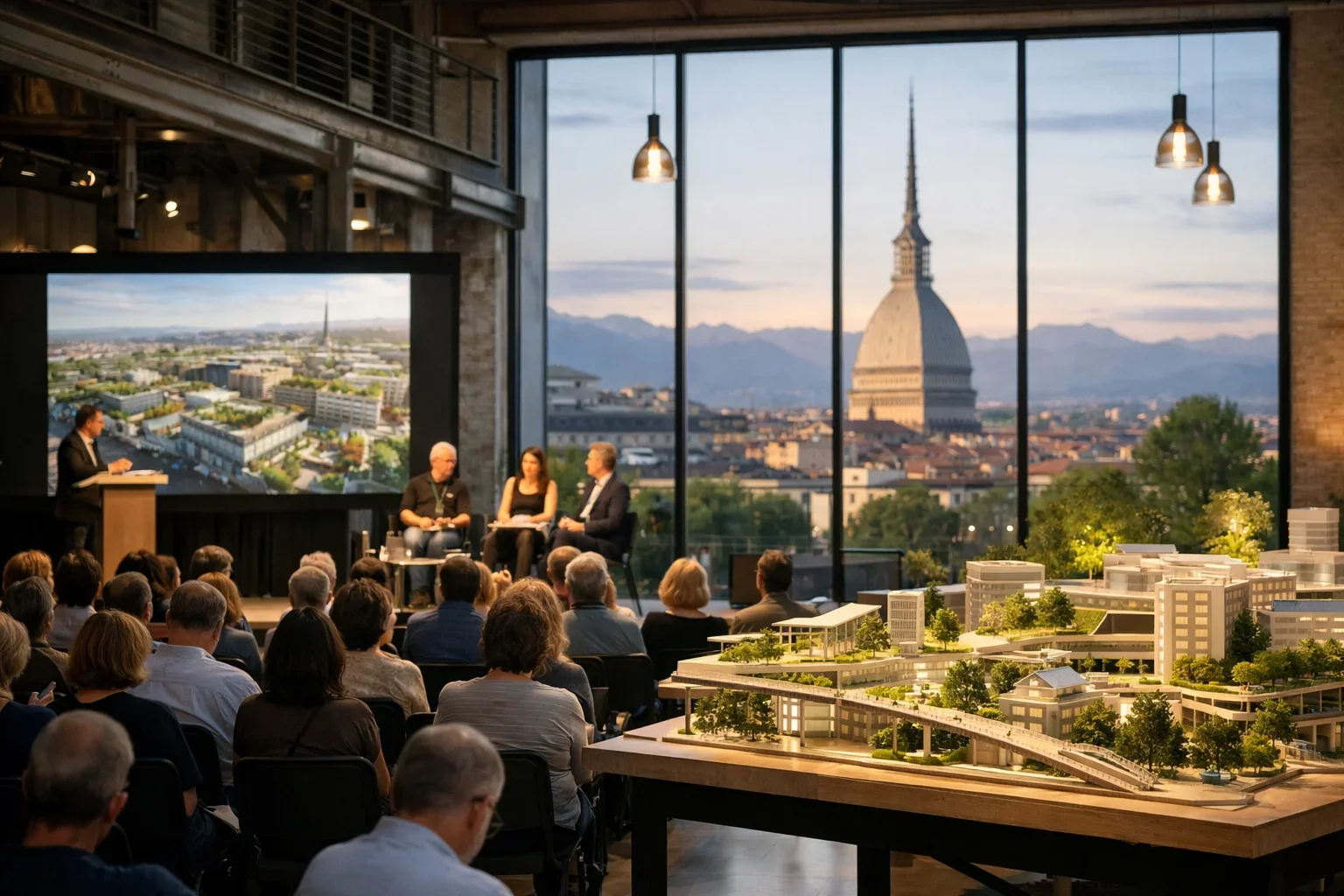
This week, Turin continues its tradition of innovative urban discourse with the tenth edition of Utopian Hours, a city-making festival drawing distinguished architects, urbanists and thought leaders. Held October 16–17, 2026 at La Centrale Lavazza and the Dorado Community Hub, the event serves as both a celebration and exploration of the evolving relationship between cities, public space and climate resilience.
Bringing Together Global Visionaries
Since its inception a decade ago, Utopian Hours has developed a reputation for convening practitioners and theorists who shape the public and private realms of cities. The 2026 edition is marked by a notably international roster, featuring high-profile contributors like the star architects Herzog & de Meuron, Powerhouse Company, and food urbanism advocate Carolyn Steel. Projects rooted in contemporary city-making, such as Rotterdam Rooftop Days and Helsinki’s Crown Bridges, reflect both the breadth and practical engagement of the festival’s programming. This mosaic of participants signals the increasingly interdisciplinary nature of urban design conversations, acknowledging that sustainable urban futures demand input beyond traditional architecture[1].
Sir Peter Cook: From Radical Vision to Present Practice
The headline guest for Utopian Hours this year is Sir Peter Cook, the legendary co-founder of the radical design collective Archigram. In a dual role, Cook is set to deliver a masterclass and launch his first solo exhibition in Italy, “The City Is a Garden.” His presence is a nod to the enduring influence of experimental, future-oriented thinking in the urbanism field. The festival, through Cook’s contributions, bridges the bold optimism of 1960s avant-garde movements with present-day demands for adaptable and inclusive city models[1].
What the Festival Means for Public Space
Utopian Hours stands out for its ability to not just showcase design innovation but provoke essential questions—how can public space address complex modern challenges, including climate change and social inclusion? By gathering both global stars and local voices, the festival affirms the importance of cross-disciplinary partnership. It champions the notion that everyday spaces—streets, neighbourhood hubs, transit links—deserve both imaginative design and critical debate[1].
Unanswered Questions and Open Possibilities
The preview coverage of Utopian Hours highlights the ambitious spirit and exceptional guest list but leaves certain elements unaddressed. Details about the specific themes and formats of talks or workshops, the nature of public engagement, and the outcomes the organisers hope to achieve remain to be clarified. For now, documentation is limited to an event listing, with little external media corroboration or indication of concrete follow-up. Yet, as past editions suggest, Utopian Hours will likely inspire continued dialogue and, potentially, projects rooted in the real-world transformation of public space[1].
Ultimately, the festival’s tenth anniversary not only celebrates a legacy but signals the ongoing necessity of interdisciplinary, creative responses to the urban challenges ahead.
Sources & further reading
NW.