Art in the Open: Moore at Kew Gardens
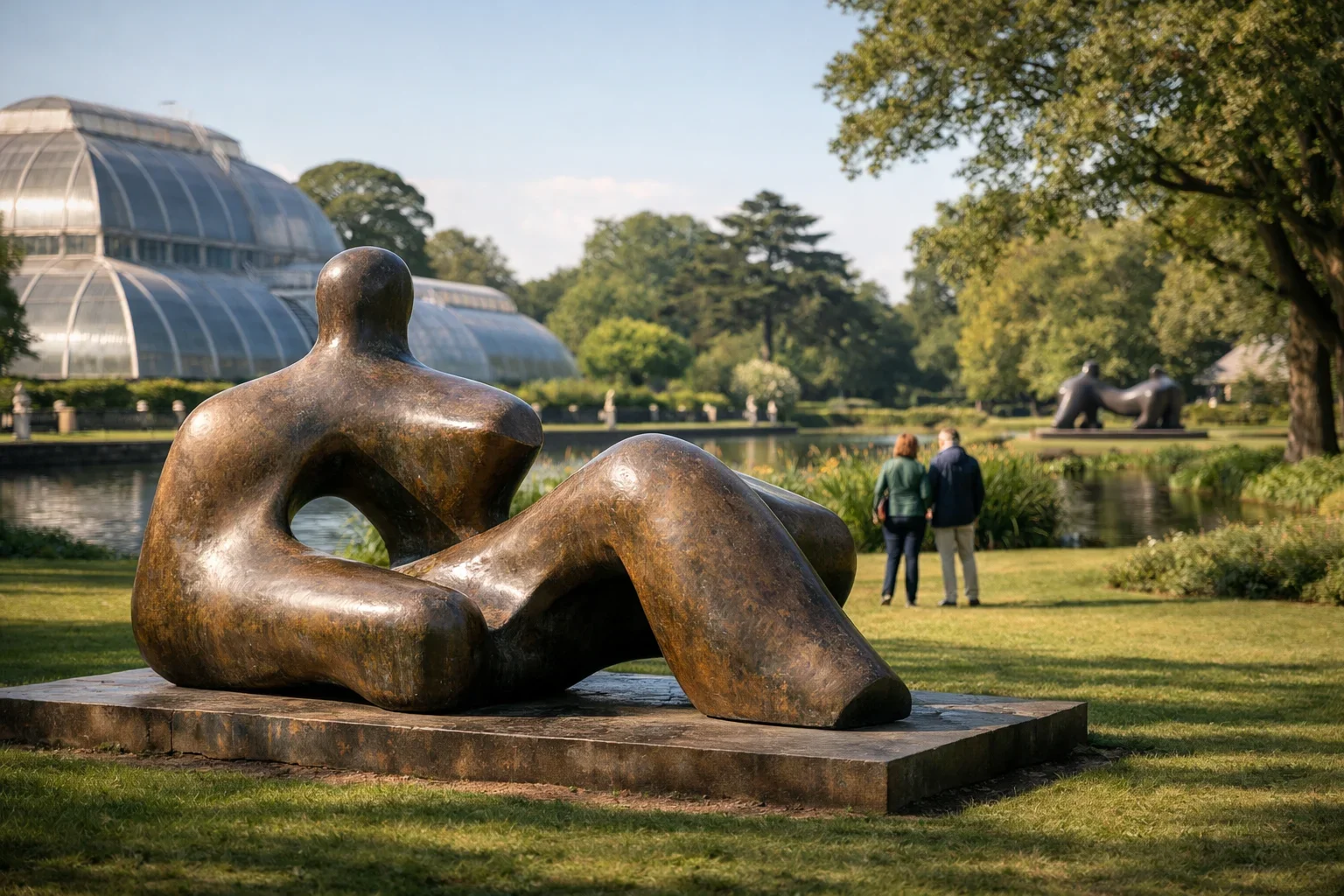
Kew Gardens in London now hosts the world’s largest outdoor exhibition of Henry Moore’s sculptures, marking a noteworthy convergence of modernist art and natural landscape. Moore’s abstract, semi-figurative bronzes, long associated with both human form and organic motif, are displayed across the lush grounds of Kew, inviting audiences to encounter these works in dialogue with the environment rather than in the typical confines of a gallery. By pairing celebrated twentieth-century sculpture with the botanical and historic richness of Kew, curators underscore the ways in which art and landscape can mutually enhance one another. The exhibition speaks to a broader curatorial movement: a desire to move art out of insular institutional spaces and into public, accessible contexts, encouraging fresh engagement among diverse audiences[1].
This initiative at Kew follows increasing interest in how heritage institutions can use outdoor settings to refresh their cultural significance. Garden exhibitions offer not just aesthetic pleasure, but the sensory interplay of weather, seasons, and spatial openness. For visitors, encountering Moore’s massive forms amid trees and lawns can reframe familiar masterpieces as living presences rather than remote objects – an effect amplified by Kew’s resonance as a place for leisure and learning.
Sound as Sculpture: Tarek Atoui at Tate Modern
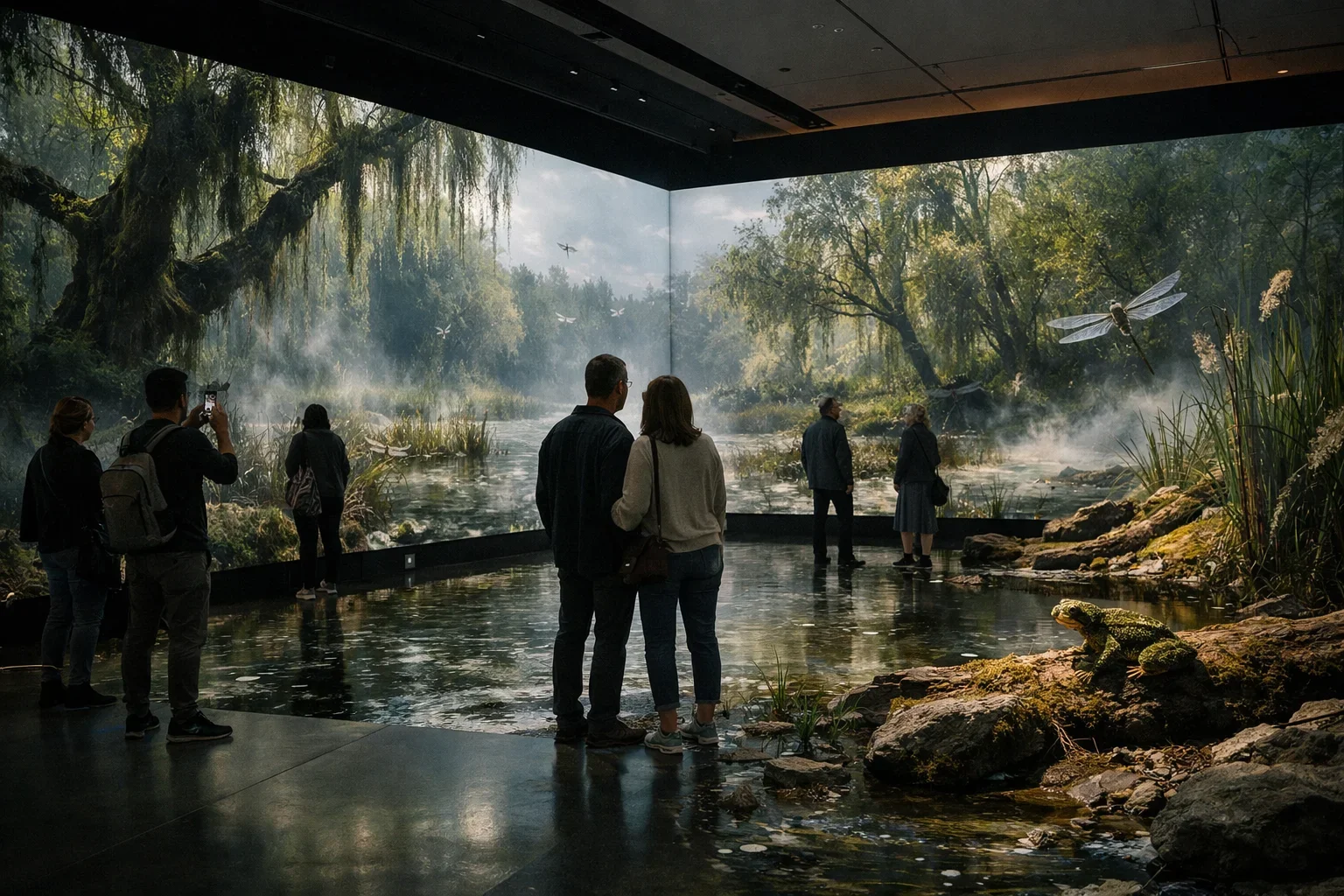
Over at Tate Modern, sound artist Tarek Atoui has taken over the Turbine Hall with an immersive installation that transforms one of London’s largest museum spaces into a sonic playground. Atoui challenges traditional boundaries between art objects, gallery environment, and visitor by filling the hall with everyday materials that become sources of unexpected sound. His work pushes audiences to listen as well as look, and to reconsider not only how art is made but how it is experienced as bodily, spatial sensation[2].
Opened on 13 October 2026, and running until 11 April 2027, Atoui’s project continues Tate Modern’s tradition of commissioning ambitious, participatory works tailored to the Turbine Hall’s scale and acoustic properties. This exhibition exemplifies the evolution of contemporary art toward multisensory engagement and immersive environments, in which the distinctions between exhibition, performance, and audience participation are increasingly porous.
The Immediacy of Art in Public and Unconventional Spaces
Together, these two London exhibitions reflect larger trends within the cultural sector. There is fresh emphasis on presenting art as an integrated experience—whether outdoors, where sculptures alter our perception of nature, or indoors, where sound and space become indistinguishable from the artwork itself. Both Kew Gardens and Tate Modern are public institutions, yet these initiatives blur the boundary between specialist and general audiences, breaking down traditional hierarchies of access.
For the public, such developments offer more inclusive, accessible entry points to contemporary and modern art. For creators and curators, there is a renewed challenge to reshape how artworks relate to their contexts—not simply as framed objects, but as catalysts for collective, participatory experience. The result is a model for cultural resilience: art that thrives outdoors, or restructures institutional interiors, invites invention and re-engagement in an era of changing social and spatial habits[1][2].
Sources & further reading
NW.